What Makes Body Contouring Farmington Hills Ideal for Personalized Results
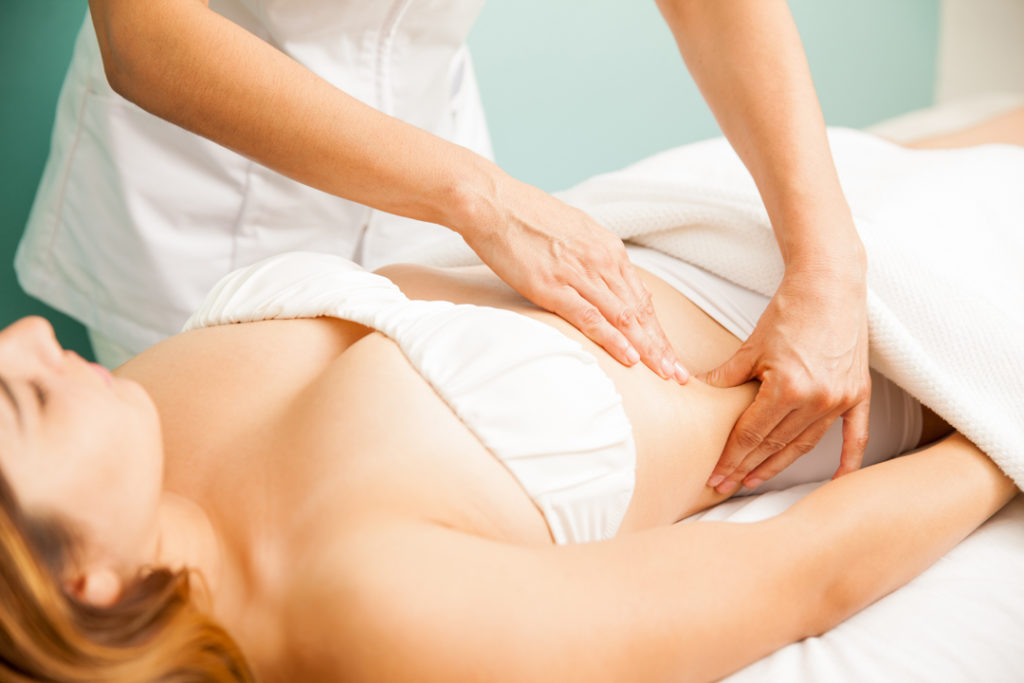


The phrase "body contouring" gets used so broadly that it can blur together very different goals, techniques, and patient experiences. For one person, it means refining the waist after pregnancy. For another, it means addressing stubborn fullness under the chin, smoothing the abdomen after weight loss, or tightening skin that never fully bounced back despite disciplined exercise. That variety is exactly why personalization matters, and why Body Contouring Farmington Hills stands out as such a practical setting for tailored treatment plans.
What makes a body contouring experience genuinely personal is not the machine in the room or the trend on social media. It is the quality of evaluation before treatment, the ability to match options to anatomy, and the willingness to say no to a one-size-fits-all approach. In a community like Farmington Hills, where patients often arrive informed, busy, and clear about wanting natural-looking outcomes, personalization is not a luxury. It is the standard that separates thoughtful care from generic marketing.
Personalized results start with realistic anatomy, not idealized images
One of the biggest misconceptions around body contouring is that the same treatment should create the same look for everyone. That simply is not how the body works. Fat distribution differs from person to person. Skin elasticity changes with age, pregnancy history, sun exposure, weight fluctuations, and genetics. Muscle tone can mask or magnify contour irregularities. Even posture affects how the torso, flanks, and thighs appear.
A good provider in Farmington Hills will usually spend far more time assessing those variables than patients expect. That is a positive sign. In many cases, the consultation reveals that the concern a patient describes is not the only issue shaping the final result. Someone may say, "I want my stomach flatter," when the real factors include mild lower abdominal laxity, fullness at the flanks, and a subtle mismatch between upper and lower abdomen. Treating only one zone may improve photos, but it may not satisfy the patient in everyday life.
Personalization begins when a provider can explain that distinction clearly. Not with vague promises, but with specifics. Where is the tissue most resistant? Is the issue pinchable fat, loose skin, or both? Does the patient want a dramatic change, or a softer refinement that will not look obvious to coworkers? Those conversations matter more than any branded treatment name.
The local patient profile often benefits from customized planning
Farmington Hills is home to a broad mix of patients, and that diversity creates a strong environment for individualized care. Some are professionals trying to fit treatment around demanding schedules. Some are parents who want manageable recovery and subtle improvements. Others are post-weight-loss patients who understand their bodies well and want strategic refinement rather than sweeping change. This range pushes providers to become more nuanced in how they plan treatment.
That matters because body contouring is rarely about one universal ideal. A patient in her early thirties with dense skin and small pockets of abdominal fat has different needs than a man in his fifties dealing with flank fullness and reduced skin recoil. A former athlete who gained twenty pounds over several years may respond differently than someone who lost eighty pounds and is now frustrated by residual laxity. The best practices grow out of seeing these distinctions often and knowing how to adapt.
In markets where cosmetic treatment has become highly commoditized, patients sometimes get sold on convenience first and appropriateness second. A personalized environment works the other way around. The question is not, "What treatment can we place you into?" It is, "What combination of tools, timing, and expectations will produce the best version of your own shape?"
Why consultation quality matters more than treatment branding
Patients often arrive asking for a specific treatment they saw online. That is understandable, but it can become a trap. Most contouring technologies have strengths, limitations, and ideal candidates. None is universally best. One device may be effective for a defined pocket of fat but disappointing for diffuse fullness. Another may help with mild skin tightening yet do little for someone with more advanced laxity. A surgical option might create the most significant change, but only if the patient is prepared for downtime, compression, and recovery.
This is where Body Contouring Farmington Hills becomes ideal for personalized results when the clinical culture emphasizes consultation over sales. A strong consultation usually includes visual assessment, tissue palpation, discussion of medical history, review of previous weight changes, and an honest conversation about timeline. If a wedding is in eight weeks, the plan may need to shift. If the patient is still actively losing weight, waiting might be wiser. If body dysmorphia or unrealistic expectations appear to be in play, caution becomes part of ethical care.
I have seen cases where the smartest recommendation was not a treatment at all, at least not yet. Sometimes the better path is stabilizing weight for three to six months, building glute strength before lower body contouring, or addressing hormonal shifts that are contributing to bloating and swelling. Personalized results often come from restraint as much as intervention.
Non-surgical and surgical approaches each have a place
Body contouring tends to get discussed as if it belongs in one category, but in reality it spans a spectrum. On one end are https://www.behance.net/ardwaterproof non-surgical approaches designed for modest fat reduction, mild skin tightening, or incremental shaping. On the other are surgical procedures that can remove tissue more directly and address larger structural concerns. Personalized care depends on knowing where a patient belongs on that spectrum.
Non-surgical contouring can be ideal for patients close to their goal weight who have distinct areas that do not respond well to diet and exercise. The improvements are usually gradual. That appeals to many people in Farmington Hills who want progress without a recovery period that disrupts work or family life. These patients often value discretion. They do not want to disappear for two weeks and come back looking suddenly different. They want their clothes to fit better and their shape to look cleaner, while still seeming like themselves.
Surgical contouring has a different value. It can often produce more dramatic change, especially when skin excess is part of the picture. A patient with abdominal overhang after major weight loss is usually not a strong candidate for a device-only solution. Suggesting one anyway may waste money, time, and trust. Personalization means being candid when a more definitive approach is the only realistic way to reach the desired outcome.
That kind of honesty is one reason patients tend to appreciate established practices with strong local reputations. A provider who understands both the technical and emotional side of the decision can guide someone toward the right level of intervention, rather than the easiest sale.
The best results come from matching treatment zones thoughtfully
Contour problems are rarely isolated. The body reads as a whole, and small imbalances between nearby areas can become more noticeable after treatment if planning is too narrow. This is one of the most overlooked reasons personalized contouring matters.
Take the midsection. Treating only the lower abdomen may leave the upper abdomen and flanks looking relatively heavier. Refining the waist without considering the back can create a front-facing improvement that disappears the moment the patient turns sideways. With thighs, reducing the inner area while ignoring skin quality may reveal looseness that was less obvious before. The body is not a collection of separate boxes. It is a continuous silhouette.
A thoughtful provider in Farmington Hills will often discuss contour harmony rather than single-spot reduction. That does not mean treating everything. It means understanding which zones visually drive the concern and which adjacent areas affect the final impression. Sometimes one small secondary area makes the primary area look far better. In practice, this can be more efficient than repeatedly treating one stubborn zone while ignoring the surrounding contour.
Personalization includes pacing, not just procedure choice
Not every patient should be treated all at once. Some benefit from staged planning, especially when swelling, recovery, budget, or uncertainty about final goals are factors. This is another practical strength of a personalized approach.
A staged plan can be especially useful for patients who are new to cosmetic treatment and want to ease into the process. They may begin with one area to see how their body responds and how they feel emotionally about the change. Others may need to sequence treatments around work travel, caregiving responsibilities, or athletic training cycles. There is no virtue in compressing everything into one calendar block if it compromises recovery or satisfaction.
A good personalized plan often accounts for these realities:
- the patient’s schedule and tolerance for downtime
- whether skin tightening is needed in addition to fat reduction
- how stable the patient’s weight has been over recent months
- whether one area should heal before another is addressed
- the level of change the patient actually wants others to notice
This kind of planning may sound simple, but it is where many outcomes are won or lost. The right treatment delivered at the wrong time can still disappoint.
Natural-looking results are usually the goal, even when patients ask for dramatic change
Many patients say they want a dramatic result, but when you unpack that statement, what they usually mean is that they want the change to feel worth the effort. They still want to look proportionate. They still want clothing to fit in a believable way. They still want their body to move naturally and reflect their age, build, and personal style.
That is where personalized contouring tends to outperform aggressive standardization. Over-treatment can leave contours looking uneven, hollow, or disconnected from the rest of the body. Under-treatment can leave the patient feeling unchanged. The sweet spot requires judgment.
For example, the ideal waistline for one patient may not be the smallest possible waist. It may be the one that balances the ribcage, hips, and posture. A patient with a strong athletic frame may look best with clean definition rather than sharp narrowing. Another may care less about visible shaping and more about reducing a lower belly fold that catches on fitted pants. These are not cosmetic details in the trivial sense. They are the difference between a result that feels integrated into the patient's life and one that feels imposed on it.
Recovery planning is part of personalization, too
A polished before-and-after gallery can make body contouring seem deceptively simple. In reality, recovery and follow-through shape a large share of the final result. Swelling patterns vary. Compression may be essential. Activity restrictions can affect work, childcare, and sleep. Some patients bruise more easily. Some need more time before they feel camera-ready. Personalized care does not stop when the treatment ends.
This is especially important in a place like Farmington Hills, where many patients are balancing full calendars. A provider who asks detailed questions about work posture, travel, exercise habits, and support at home is not being overly cautious. They are trying to prevent avoidable frustration. If someone commutes daily, sits in meetings for hours, or is responsible for lifting a toddler, those details matter.
The patients who tend to be happiest with their outcomes are often the ones who understand recovery in practical terms before they commit. They know when swelling may peak. They know whether they should pause intense workouts. They know when to expect visible change and when not to panic if progress looks uneven at first. That clarity helps patients stay patient.
A careful provider will discuss who may not be an ideal candidate
One of the strongest signals of quality in Body Contouring Farmington Hills is a provider's willingness to define limits. Not every patient is an ideal candidate at every moment. Active weight fluctuation, uncontrolled medical conditions, smoking, poor skin elasticity, or expectations based on edited celebrity images can all complicate outcomes.
Good personalization includes disqualification when necessary. That may feel disappointing in the short term, but it protects the patient. Someone who plans to lose another thirty pounds may be better served by waiting. A patient who expects body contouring to fix cellulite, stretch marks, and severe skin laxity all at once needs a more grounded discussion. A person seeking contouring during a highly stressful life period may need to postpone simply because recovery and emotional processing require bandwidth.
These conversations are not barriers to care. They are part of care. In cosmetic medicine, saying yes too quickly is often a red flag.
The community setting can support better long-term follow-through
There is also something meaningful about seeking treatment in a local environment where follow-up is accessible. Personalized care is easier when patients are not treated as one-time transactions. Questions come up after treatment. Swelling can feel unpredictable. A contour irregularity may simply need time, massage, or reassessment. Having a nearby provider who can monitor progress and make adjustments if needed makes the process more stable.
This local continuity matters for another reason. Body contouring results live inside a broader lifestyle. Weight maintenance, hydration, exercise, hormonal changes, and aging all continue after treatment. Patients who can check in periodically tend to maintain a more realistic relationship with their results. They are less likely to chase unnecessary retreatments and more likely to make decisions based on how they actually look and feel over time.
Questions worth asking before moving forward
Patients considering Body Contouring Farmington Hills often benefit from asking a few direct questions during consultation. Not to challenge the provider, but to understand how individualized the plan really is.
- What exactly is causing the concern in this area: fat, loose skin, muscle separation, or a combination?
- If I only treat this one zone, what nearby area might affect the final appearance?
- How much change is realistic for my anatomy and weight stability?
- What will recovery look like in practical terms for my work and home life?
- If I am not an ideal candidate right now, what would improve my candidacy?
The answers usually reveal a lot. A personalized practice gives specific, balanced responses. A generic one tends to speak in slogans.
Why Farmington Hills lends itself to customized outcomes
The ideal environment for body contouring is one where patients expect clear communication, providers see a wide range of body types and goals, and treatment planning is built around the individual rather than around a preset package. Farmington Hills fits that model well. Patients here often want refinement, not spectacle. They tend to value professionalism, privacy, and results that hold up in real life, under office lighting, in everyday clothing, and through changing seasons.
That mindset supports better decision-making. It encourages consultations that go deeper than surface concerns. It rewards providers who can balance aesthetics with practicality. It creates space for nuanced recommendations, whether that means choosing a non-surgical option, combining methods carefully, staging treatment, or advising someone to wait.
When body contouring is done well, the result should not look like a treatment. It should look like the patient, only more in harmony with how they have wanted to feel in their body. That is the real promise of personalization, and it is why Body Contouring Farmington Hills can be such a strong fit for people who care less about hype and more about tailored, believable outcomes.
The best results are not the most extreme. They are the ones that account for anatomy, timing, lifestyle, and expectations all at once. They are the results that make sense on that specific person, in that specific season of life. That is what turns body contouring from a generic cosmetic service into a well-designed, individualized plan.
Aesthetic Plastic Surgery & Laser Center, Michelle Hardaway M.D.
Address: 27920 Orchard Lake Rd, Farmington Hills, MI 48334
Phone number: +12482211957
FAQ About Body Contouring Farmington Hills
What does body contouring actually do?
Body contouring (or body sculpting) eliminates stubborn localized fat, tightens loose, sagging skin, and reshapes your silhouette. It is not a weight-loss tool, but rather a cosmetic procedure used to refine and tone specific trouble spots after major weight loss, pregnancy, or aging.
How much does body contouring usually cost?
The total cost of body contouring usually ranges from $2,000 to $25,000+ depending entirely on whether you choose non-surgical sessions or major surgical procedures.
Because "body contouring" covers everything from simple fat-freezing to comprehensive post-weight-loss surgeries, pricing is heavily categorized by the method used.
What is the best type of body contouring?
Liposuction is a huge topic and worth discussing in more detail, but in terms of body contouring and sculpting, nothing does the job better than liposuction, particularly VASER liposuction.